Pneumococcal vaccination
Information about the pneumococcal vaccination
Pneumococci are transmitted from person to person and are widespread. Different types of pneumococci are found in different regions, which can lead to various illnesses. Vaccination is particularly recommended for young children and older people.
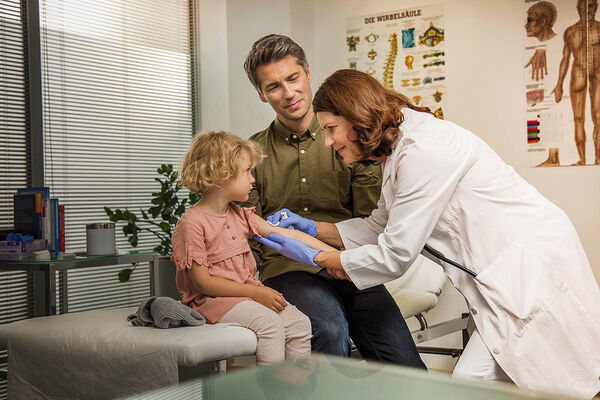
What are pneumococci?
Pneumococci are pathogens that colonise the nasopharynx and are transmitted via droplet infection, such as through coughing or sneezing. Depending on how they spread, they can cause conditions such as sinusitis or middle ear infections. Infections of the lower respiratory tract can, for example, lead to pneumonia. In rare cases, however, pneumococci can spread to other parts of the body and cause serious conditions such as meningitis.
How can you protect yourself against pneumococci?
Vaccination offers the best protection against pneumococcal infection.
Who is the vaccination recommended for?
The Standing Committee on Vaccination (STIKO) recommends the pneumococcal vaccination for the following groups:
Underlying medical conditions include the following:
Note: If you have a pre-existing condition and are unsure whether it is relevant to the pneumococcal vaccination, please seek medical advice.
Which vaccines are available?
Pneumococcal vaccines are categorised as either pneumococcal polysaccharide vaccines or pneumococcal conjugate vaccines. These are authorised for use at different age groups, depending on the age of the person being vaccinated.
Pneumococcal polysaccharide vaccines
Pneumococcal polysaccharide vaccines (PPSV) have been available for more than 50 years. The current PPSV23 vaccine (Pneumovax) contains antigens from 23 serotypes and is authorised for people aged 2 years and over.
Pneumococcal conjugate vaccines
Pneumococcal conjugate vaccines (PCV) elicit a stronger immune response. The immune response is enhanced by linking the antigen to a carrier protein. The following conjugate vaccines are currently available in Germany:
What side effects may occur?
Local side effects of the vaccine may include redness, itching, hives or swelling at the injection site. Following vaccination, you may experience fever, loss of appetite, drowsiness, restless sleep, headaches, irritability, gastrointestinal symptoms, vomiting, nausea, swollen lymph nodes, joint and muscle pain, or diarrhoea. Side effects such as seizures, collapse-like reactions, hypersensitivity reactions with breathing difficulties or anaphylactic shock may also occur. For further information about risks and side effects, please seek medical advice or consult your pharmacist.
What costs does SBK cover?
We cover the costs of pneumococcal vaccinations in accordance with the recommendations of the STIKO. Children up to the age of 2, all people aged 60 and over, and those at risk receive the vaccination as a benefit provided by SBK. People with an occupational indication who are exposed to metal fumes or metal oxide welding fumes at work are also entitled to this benefit.
To ensure we can cover the costs of the pneumococcal vaccination in these cases, simply present the SBK Healthcare Card of the person to be vaccinated at the GP or paediatrician’s practice. Please remember to bring the vaccination record of the person to be vaccinated with you to the vaccination appointment. This will allow the vaccination to be officially certified straight away.
In case you are not sure that you belong to one of the groups above, we would be happy to check whether we can reimburse you for the cost of the pneumococcal vaccination. To do this, we need the following documents from you: the doctor’s invoice, the pharmacy invoice and the vaccine prescription. You can simply take a photo of these documents with your smartphone and upload them to the Meine SBK App.
Alternatively, you can send the documents by post. You can find our address and a prepaid envelope
As soon as we have received the prescription and the invoice, we will reimburse the cost of the vaccination by bank transfer to your bank account.
Where can I get myself or my child vaccinated?
You or your child can receive the pneumococcal vaccination at your GP practice or paediatrician’s practice. The vaccine is usually in stock at the practice.
Questions about the pathogen and the vaccination
You can find answers to the most important questions about the pneumococcal vaccination in the following information provided by the Robert Koch Institute:


